
Parenting Made Pleasant
Dr. Aviva Bass-Huh
Effective parenting techniques for ADHD, challenging behaviors, and anxiety.
*Available for Colorado residents only (telehealth services)


Who Comes to Therapy?
An exasperated father complains
that his child refuses to go upstairs alone.
A single mom feels drained
by her daughter's daily meltdowns.
Two parents argue
about how to handle their easily distracted and uncooperative son.
A couple are exhausted
with bedtime struggles and being routinely woken up in the middle of the night by their 8 year old.
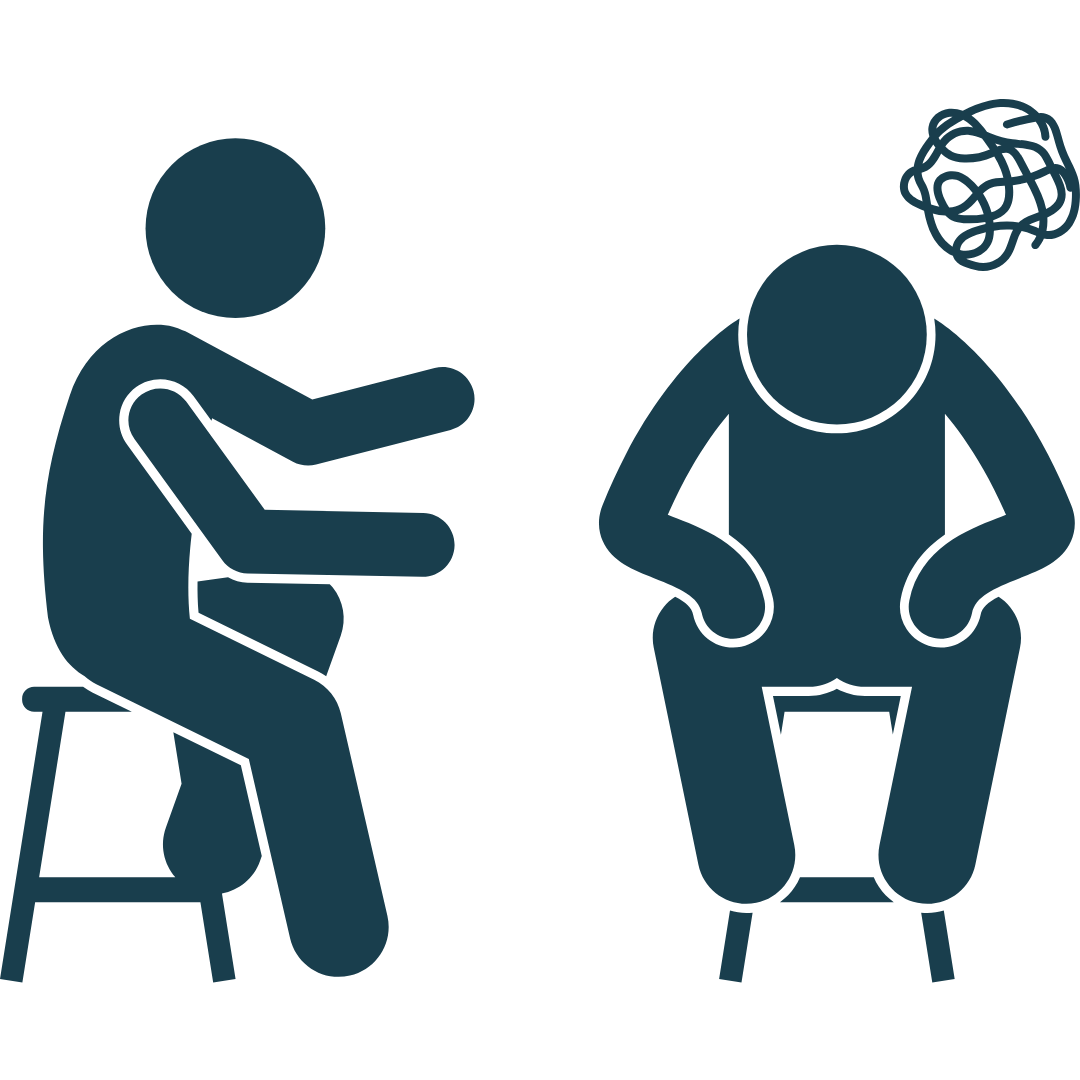
What Happens in
Therapy?
Although many parents approach treatment with the idea that children go to therapy to “fix” them, my approach relies on training you, the parent, as a THERAPEUTIC COACH.
Parents are the most important and influential people in the lives of younger children. A therapist spends an hour a week with a child; a school teacher spends about 30 hours; the parent is there the other 137 hours!
The usual parenting strategies just do not work as well with kids who have challenging temperaments. Parents of these children need a more sophisticated repertoire of parenting skills. I work with parents to help them learn how to best support and guide their children.

What Happens After Therapy?
The children progress
at home and at school. They feel understood by their families.
The parents are more confident
about how to prevent and address their children’s difficult behavior. They feel less stressed.
The parents also see positive changes in
sibling behavior, marital satisfaction, and their own mental health.


Choose Your Treatment Path
Every family begins with an initial assessment so I can determine which evidence-based parenting strategies will be most effective for your child. Some of these strategies are available through my online courses.
If I determine that any of the strategies covered in my online courses will address some or all of your needs, you can choose between two therapy formats:
Traditional Therapy
Or
Therapy with Course Integration

Traditional Therapy
I teach each strategy live in therapy, answer all your questions in real time, and tailor everything directly to your child.
How it Works:
- Live instruction
- Real-time guidance
- Fully personalized
Best for:
- Parents who prefer learning interactively
- Families navigating more complex concerns
- Those who want close support while building each skill step by step

Therapy with Course Integration
Purchase the appropriate course. Watch each module on your own time.
After each module, we meet to apply the strategy to your child’s specific challenges. Because you will have already learned the material through the course, these sessions can be shorter, focusing on implementation and troubleshooting. This can reduce the overall cost of treatment.
If additional strategies are needed beyond what is covered in the course, we will address them in traditional therapy sessions.
How it Works:
- Watch lessons on your own
- Personalize the skills in session
Best for:
- Parents comfortable with online learning
- Families who appreciate structure and efficiency
Between Sessions
I ask clients to notice patterns or practice new skills in order to help them accomplish their goals in a timely manner.
Who I Help
Common Reasons Families See Me
- Children with disruptive behaviors (e.g., temper tantrums, defying or not complying with parent requests, aggression, argumentative)
- Children who insist on certain rituals (Obsessive Compulsive Disorder)
-
Children who are fearful, overly shy, and worry a lot. (Social Phobia, Generalized Anxiety Disorder, Panic Disorder)
- Moodiness, sadness, and irritability
- Attention Deficit Hyperactivity Disorder (ADHD)
- Children with intense fears of certain objects or situations (Phobias)
- Perfectionism
- Sibling conflict
- Parent-child conflict
Payment
I partner with an EAP called Lyra, which is offered in many large companies (e.g., Google, Zoom, Verily, Walmart, Starbucks, Kiewet, Qualcomm, Ovintiv, Salesforce etc). If you are not sure if your company is covered, I can quickly check for you. Otherwise, I do not accept insurance. I can provide you with a superbill to submit to your insurance company.



Consulting
Who I Help
I am available to work with Master's or Doctoral level therapists who are interested in learning or improving their parent coaching skills.
How I Help
I teach evidence-based parenting skills that are especially effective for kids with ADHD, Oppositional Defiant Disorder, and anxiety disorders. We focus on the strategies most relevant to your client population.
Before each consultation, I suggest materials for you to review ahead of time. During meetings, we cover nuances of the skills, helpful language to use in explaining the skills to clients, and I model how to teach each skill effectively.
What To Expect
By the end of consultation series, you will have a detailed document for each parenting skill along with related client handouts to use in your own practice.
Ready To Get Started?
Reach out today to schedule a free 15 minute consultation.

Call

Location
Telehealth Services Only
Available to Clients Residing in Colorado